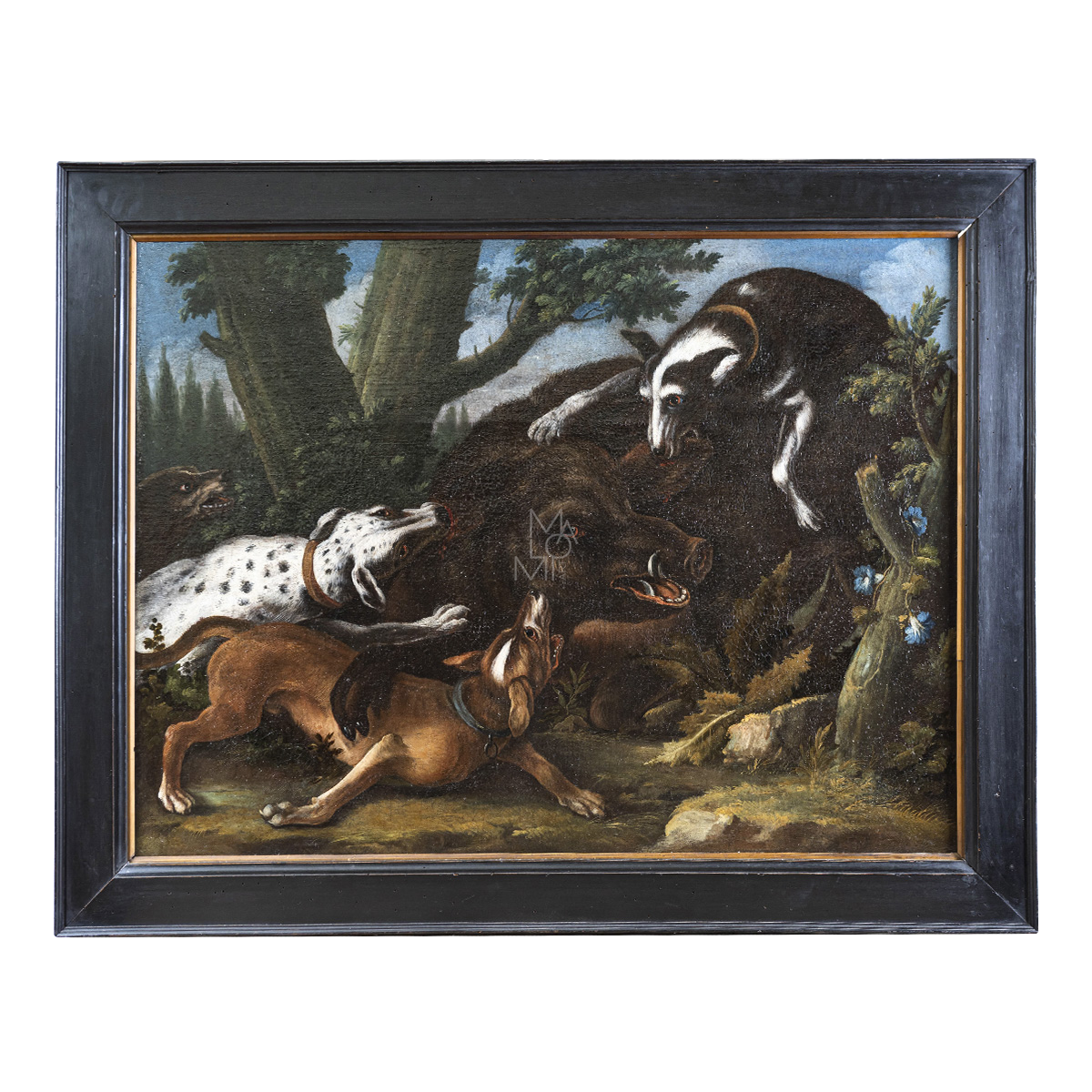
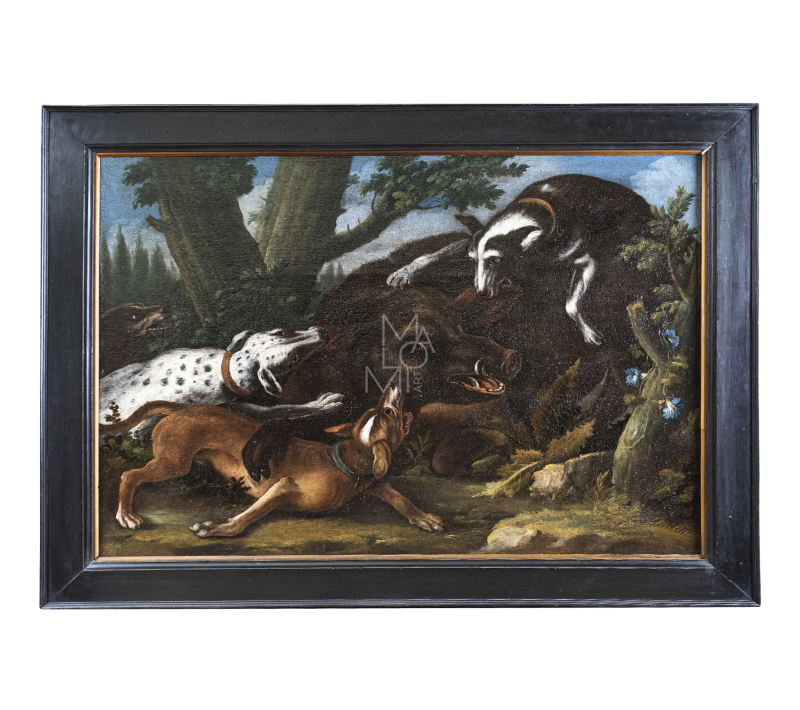
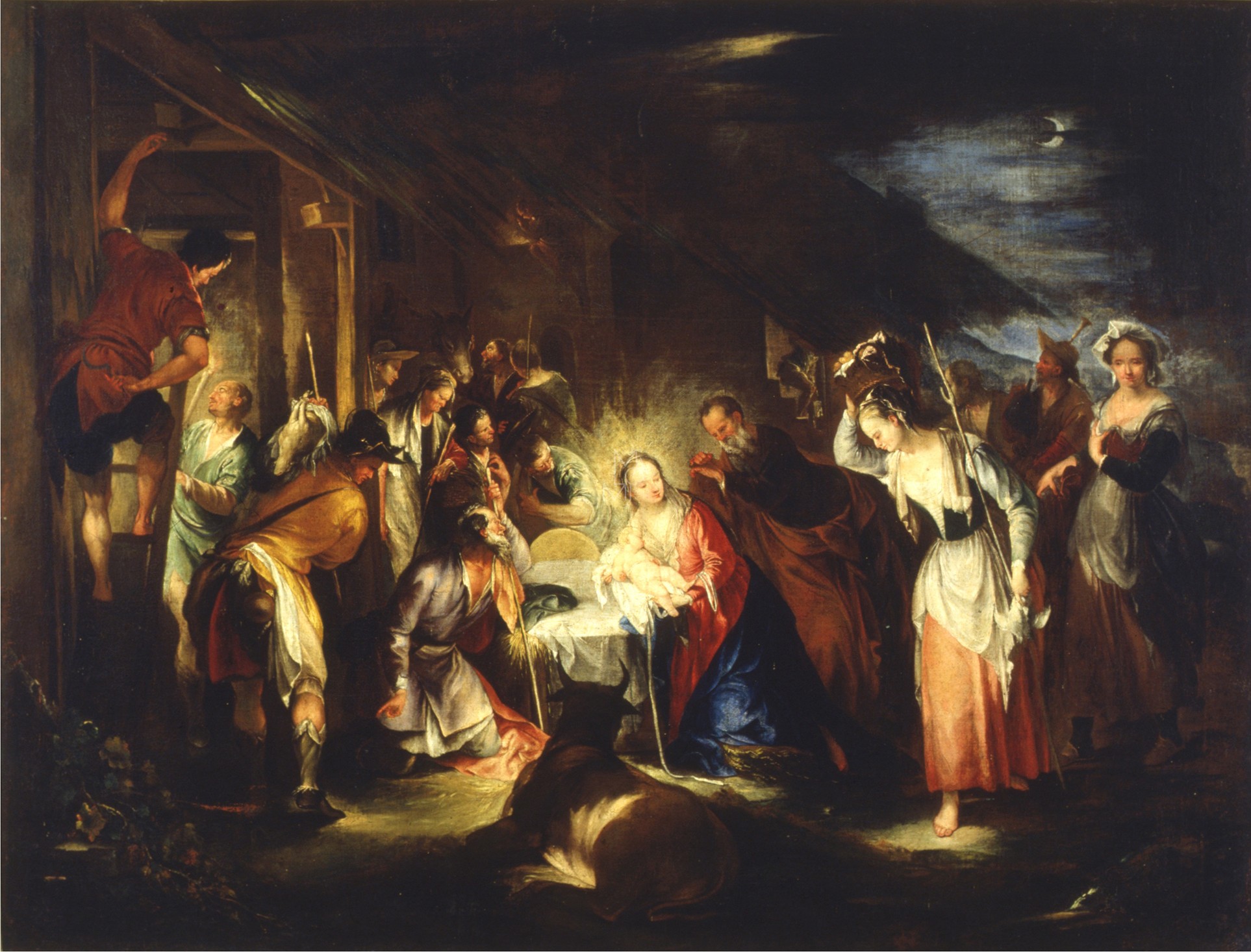
"Discover the 18th-century Boar Hunt painting (121x94 cm) by Baldassarre De Caro. Features the Royal Pinacoteca of Turin stamp and expertise by Arabella Cifani."
Featured Artwork Profile:
Artist: Baldassarre De Caro (1689-1750) - Attributed
Period: 1730s (18th Century)
Dimensions: 121 x 94 cm (Oil on canvas)
Frame: Coeval stained walnut frame
Certification: Historical-critical expertise by Dr. Cav. Arabella Cifani
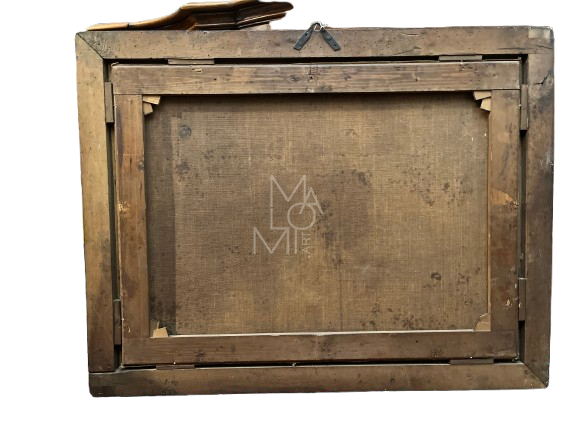
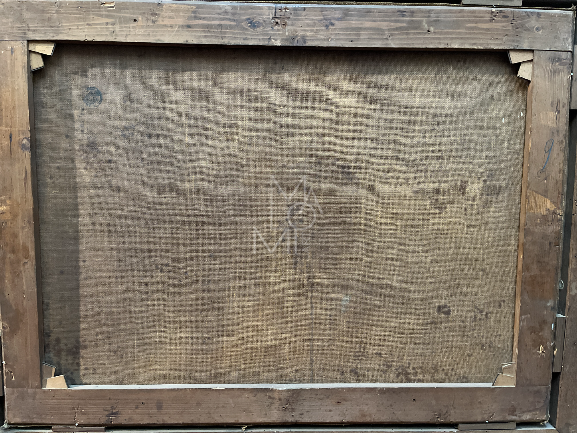
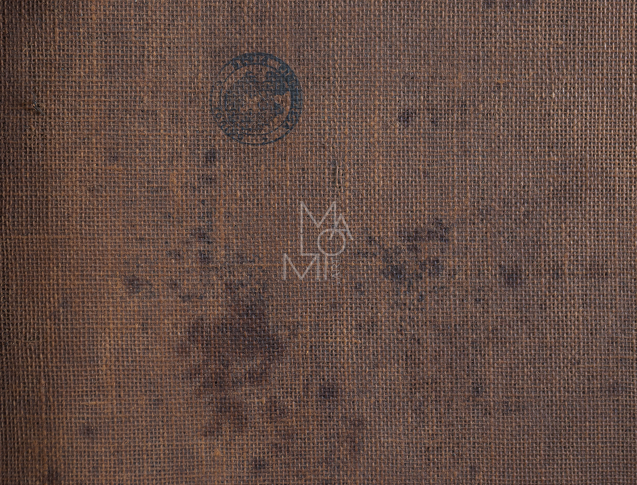
Provenance & Traceability: Bears the antique printed stamp of the "Regia Pinacoteca di Torino" on the reverse. The chassis exhibits a rare stratification of Savoyard archival markings consisting of two distinct codes: the general progressive inventory number 2240 inscribed in graphite on the upper stretcher, and the topographical placement fractional code 9/27 in blue crayon on the right vertical bar.
A Historical-Critical, Museological, and Connoisseurship Study of a Hunting Painting Attributed to Baldassarre De Caro
The painting under examination, a fine oil on canvas of generous dimensions (121 x 94 cm) depicting a dramatic and vibrant Boar Hunt, represents a figurative document of extraordinary interest for the study of 18th-century Italian animalist and hunting genre painting. The artwork commends itself not only for its intrinsic formal and stylistic qualities, which are fully grounded in the glorious Baroque and Rococo traditions of the Neapolitan school, but also for its exceptional documentary value [?].
Indeed, the reverse of the canvas preserves an intact palimpsest of material traces that allows researchers to reconstruct its complex provenance, linking its history to the most prestigious museum institutions of the Kingdom of Italy and the Savoy dynasty. The scientific significance of the painting is historically corroborated by a comprehensive expertise written by Dr. Cav. Arabella Cifani, an illustrious historian and art expert, as well as an official appraiser for the Court and the Chamber of Commerce of Turin, whose profound knowledge of Savoy heritage seals the philological value of this work .
The ensemble is further embellished and completed by its coeval stained walnut frame. Far from being a mere aesthetic accessory, this frame represents a structural extension of the artwork itself, perfectly preserving the 18th-century taste in noble interior design and offering precious insights into the painting's historical display.
Stylistic Analysis and Attribution to Baldassarre De Caro
From a strictly art-historical perspective, the canvas exhibits clear and unmistakable stylistic traits attributable to the mature production of the Neapolitan painter Baldassarre De Caro (Naples, 1689 – 1750). Initially trained in the famous workshop of the flower painter Andrea Belvedere, De Caro established himself within the artistic landscape of both the Austrian Viceroyalty and the subsequent Bourbon Kingdom as one of the foremost specialists in naturalistic painting. Although his early fame was tied to the codification of still lifes characterized by a refined Baroque sensibility—featuring compositions of wild game, birds, and seasonal fruits—the artist progressively expanded his formal repertoire. In his maturity, he advanced toward large-scale animalist painting, focusing on fierce combats between wild beasts and animated hunting scenes.
In this specific composition, the dramatic tension and muscular intensity of the clash between the pack of hounds and the wild boar echo iconographic models of clear Northern European lineage. The work draws inspiration from the famous Flemish inventions of Frans Snyders and Paul de Vos, archetypes of the European hunting genre. However, these sources are filtered through the lessons of the Flemish artist David de Coninck and, above all, through the vigorous Roman-tinged naturalism of Philipp Peter Roos, universally known as Rosa da Tivoli.
De Caro reinterprets these sources with an exquisitely Neapolitan sensitivity: the color palette, built upon warm harmonies of browns and earth tones, is suddenly punctuated by the stark white coats of the hounds and the bright red touches of their wounds. Meanwhile, the expressive use of chiaroscuro heightens the anatomical and emotional ferocity of the animals, endowing the composition with a presence that is simultaneously monumental and highly decorative.
Chronological Placement and Aristocratic Patronage
The high execution quality, the density of the pictorial matter, and the specific thematic choice allow us to place the genesis of this work around the 1730s, a decade that marks the peak of Baldassarre De Caro's expressive maturity and commercial success. At this historical juncture, the painter already enjoyed immense prestige among the high aristocracy of the kingdom; he received monumentally important commissions for the galleries of the Duke of Maddaloni and other prominent families of the Neapolitan nobility.
However, the definitive turning point in the artist's career coincided with the ascension of Charles of Bourbon to the throne in 1734. The young sovereign, founder of the new autonomous dynasty, harbored a visceral, almost consuming passion for the art of the hunt. He viewed it not merely as a personal pastime, but as a true ritual of State and a paramount status symbol of dynastic power.
Subjects related to boar hunts, deer hunts, or expeditions in the royal forests immediately became a genre of primary importance for decorating the newly established Bourbon royal residences. De Caro's paintings, with their true-to-life realism and decorative grandiosity, perfectly met the requirements for display in the quadrerie di delizia (pleasure galleries). Consequently, they were systematically integrated into the crown's hunting lodges and the royal palaces of Portici, Capodimonte, and later, Caserta.
The significant measurements of the canvas (121 x 94 cm) bear witness to this specific intended use: this is not a small cabinet picture for a private chamber, but rather a showpiece designed to be integrated into elaborate, large-scale wall decorations.
Analysis of the Frame: Historical and Aesthetic-Functional Aspects
The presence of the coeval stained walnut frame plays a fundamental role in the historical-artistic study of the object. During the 18th century, the choice of wood types and finishes adhered to precise rules governing spatial display and interior harmony:
- Integrity of the Original Context: The chronological alignment between the canvas and its outer framing demonstrates that the painting has preserved its original presentation. The rigorous and elegant molding, free from excessive Rococo flourishes yet marked by solid geometric composure, aligns perfectly with the taste governing the galleries and noble residences of the first half of the 18th century.
- Visual Function and Choice of Wood: The use of walnut wood, subsequently stained to unify its grain and darken its tone, served to contain and enhance the sharp chiaroscuro contrasts of the canvas. A dark, sober frame acts as an ideal "perspective window" for hunting and nocturnal subjects. It focuses the viewer's attention entirely on the powerful expressive and dramatic values of the composition, without distracting the eye with gilded or polychrome reflections.
- Intended Destination and Furnishing: This type of mounting—austere yet reflecting high-quality cabinetmaking—was typical of paintings meant to decorate dining halls, galleries of honor, and peripheral hunting lodges of the nobility and the court. Compared to the fully carved and gilded frames reserved for official portraits or altarpieces, stained walnut was the wood of choice to elevate the naturalistic truth of animalist scenes.
Museological Profile: The Imprinted Stamp of the Royal Pinacoteca of Turin
A detail of exceptional scientific significance, indispensable for reconstructing the object’s art archaeology, is the presence of an antique printed stamp from the Royal Pinacoteca of Turin (Regia Pinacoteca di Torino) on the reverse of the canvas. This ink-imprinted mark of ownership serves as a definitive historical passport for the painting, providing irrefutable material evidence of its transit and permanent documentation within the Savoy royal public collections during the 19th century.
From the perspective of institutional museum history, the stamp explicitly refers to the foundational era of the public gallery in Turin. The institution was originally established in 1832 at Palazzo Madama by order of King Charles Albert of Savoy, with the precise intent of unifying the dynastic collections and opening them to the public.
A crucial turning point occurred in 1850, when the Savoy dynasty took the historic step of formally donating ownership of these art collections to the State. This momentous legal and patrimonial transition was initially sanctioned by a Royal Decree and, following Italian unification, was definitively converted into law in 1860, transforming the old dynastic institution into the National Royal Pinacoteca (Regia Pinacoteca Nazionale)—known today as the prestigious Galleria Sabauda. The physical presence of this stamp not only guarantees the absolute authenticity of the painting's historical provenance, but also qualifies it as a precious material witness to that 19th-century transition when crown assets were converted into the modern cultural heritage of the Italian nation.
The Piedmontese Political-Social Climate During the Stamp's Impression Period (1832-1850)
The two decades during which the stamp of the Royal Pinacoteca was impressed on the back of the canvas correspond to one of the most intense, febrile, and contradictory eras in the history of the Kingdom of Sardinia. The chronological arc between the inauguration of the gallery by Charles Albert (1832) and the donation of the collections to the State (1850) sits at the very heart of the transition from the enlightened despotism of the Ancien Régime to the constitutional and national state of the Risorgimento.
- The Reign of Charles Albert and Conservative Restoration (The 1830s): At the time the Royal Pinacoteca was established in 1832, Piedmont was dominated by the complex and tormented figure of King Charles Albert of Savoy. Having ascended the throne in 1831 amid intense international suspicion following the revolutionary uprisings of 1821, the king initially oscillated between a rigid, pro-clerical absolutism and a profound drive to modernize administrative and legal structures. The creation of a public art gallery at Palazzo Madama was not an isolated act, but part of a precise cultural strategy rooted in absolutist ideals: it aimed to showcase the dynastic magnificence of the House of Savoy and elevate Turin to the rank of major European capitals, while simultaneously suppressing the democratic and republican impulses of Mazzini’s "Young Italy" movement through strict political censorship.
- Turinese Culture and the Role of Aristocratic "Connoisseurs": In this environment, art became an arena for social negotiation. The Piedmontese nobility, traditionally anchored in military and bureaucratic careers, underwent a profound intellectual renewal. Figures like Roberto d'Azeglio and his brother Massimo d'Azeglio embodied an enlightened, moderate aristocracy. They viewed the preservation and study of the national artistic heritage as a tool to forge a moderate Italian civil consciousness—one detached from revolutionary excesses yet firmly oriented toward progress. The cataloging of the Pinacoteca's works became an intellectual laboratory that united progressive thinkers and royal institutions under the ideal of Italian artistic primacy.
- The Revolutions of 1848, the Statute, and the Liberal Turning Point: The late 1840s marked the collapse of the delicate Albertine equilibrium. The economic crisis of 1846-1847 and growing social unrest culminated in the revolutionary year of 1848. Yielding to pressure from the streets of Turin, Charles Albert granted the Statuto Albertino (the Albertine Statute), transforming the Kingdom of Sardinia into a liberal constitutional monarchy. Turin rapidly became the capital of Italian patriotism and a haven for political exiles from all over the peninsula (including the Kingdom of the Two Sicilies), evolving into a vibrant, cosmopolitan metropolis dominated by parliamentary debate and a nascent political press spearheaded by Camillo Benso, Count of Cavour.
- The Year 1850 and the Transcendence of Dynastic Property: The defeat in the First War of Independence and the subsequent abdication of Charles Albert in favor of Victor Emmanuel II paved the way for the secularization and modernization of the State. It was in this precise context, in 1850, that the formal transfer of the Pinacoteca's collections to the State took place via Royal Decree. In a Piedmont that was concurrently passing the Siccardi Laws to abolish ecclesiastical privileges and restructuring its identity on purely constitutional foundations, the dynasty's renunciation of exclusive ownership over its art collections carried immense political weight. The House of Savoy chose to tie its legitimacy no longer to divine right or the private possession of land and art, but rather to its role as the political and cultural leader of the future unified Italian nation. This transformed the Royal Pinacoteca from a "king’s gallery" into a "citizens' museum."
Analysis of the Material Support and Diagnostics of the Reverse: The Stratification of Codes
Direct inspection of the reverse of the work (the verso) reveals technical and paleographical data of paramount importance for the chronological, conservation, and administrative validation of the artifact. The original textile support presents itself as a canvas made of natural fiber (most likely hemp or coarse linen). The weave is compact yet features a wide warp, a technical characteristic frequently found in utility canvases and supports utilized by Neapolitan and southern Italian workshops during the first half of the 18th century. The supporting wooden stretcher exhibits a natural and deep oxidation of the wood fibers, entirely consistent with the age of the canvas. It is mounted in a stable "box" configuration within the thick walnut frame and is equipped with its original angular expansion system utilizing mobile interlocking keys (or tensioning wedges).
at the top left of the textile field emerges, stamped with a greasy ink of a blue-black tone, the seal of the Royal Pinacoteca, the placement of which rules out invasive modern relining or radical support replacements. However, the exceptional feature of the reverse consists in the stratification of two distinct handwritten historical Savoyard archival markings directly on the wood, which provide comprehensive evidence of administrative traceability:
- The General Progressive Inventory Code ("2240"): Inscribed in graphite or dark crayon along the grain of the upper stretcher bar, a four-digit number appears, legible as 2240. This code represents the sequential general intake number assigned to the painting within the entirety of the Savoy holdings (presumably during the grand inventory and sorting operations of 1850), used to identify the art object within the extensive financial and accounting ledgers of State property.
- The Topographical Placement Fractional Code ("9/27"): The right vertical stretcher bar features a second inscription, written in a cerulean blue historical coping crayon or grease pencil, a tool characteristically employed by 19th-century museum curators. The inscription takes the form of a fraction, with a large 9 at the numerator and a cursive 27 at the denominator (9/27). In the cataloging practices of the Pinacoteca, this formula described the physical layout or classification of the painting: the "9" likely referenced Gallery IX (historically allocated to the Italian schools and genre painters) or the specific class of work, while the "27" recorded the progressive position or entry number within that distinct section.
Trade Routes and Historical Vectors Between the Bourbon and Savoy Collections
How did a canvas by Baldassarre De Caro—a painter intimately tied to the patronage and viceregal/Bourbon context of Naples—end up within the art collections of the Savoy dynasty in Turin? A comparative analysis of the historical and collecting dynamics of these two cultural hubs highlights four primary historical vectors that can account for this geographical and institutional migration:
- Dynastic Alliances and Diplomatic Exchanges: Throughout the 18th and 19th centuries, the courts of Naples and Turin were repeatedly intertwined through strategic marriages. A moment of crucial convergence occurred with the 1832 wedding between Maria Cristina of Savoy (daughter of King Victor Emmanuel I) and Ferdinand II of Bourbon, King of the Two Sicilies. The exchange of gifts tied to dowries and diplomatic protocols systematically included genre and gallery paintings. De Caro's hunting scenes, highly valued for their decorative power and themes that resonated with aristocratic taste, were magnificent candidates for such high-level exchanges.
- The Art Market and the Intercession of Roberto d'Azeglio: Under the stewardship of Marquis Roberto d’Azeglio, who became the first director of the Royal Pinacoteca in 1832, the Savoy court initiated a massive and proactive acquisition campaign across Italian and European markets. The objective was to balance the Turin collection, which was historically skewed toward Flemish and local Piedmontese schools. Art agents and merchants operating along the Naples-Rome axis frequently offered lots originating from the dismantling of southern noble galleries, injecting 18th-century Neapolitan school paintings directly into the Savoy holdings.
- Dispersions and Requisitions of the Napoleonic Era: The Napoleonic period (1799-1815) profoundly disrupted the ownership of art across Italy. The flight of the Bourbons to Sicily and the establishment of French rule in Naples caused the dispersion of numerous artworks housed in minor royal sites and aristocratic estates. Many of De Caro's paintings entered the private circuits of French officers and officials. Following the Restoration, many of these assets did not return through official restitution channels, but were subsequently liquidated on northern Italian markets and purchased by the Piedmontese nobility.
- External Deposits and the Rearrangement of Country Residences: It is crucial to note that many works marked with the Regia Pinacoteca stamp were not intended for permanent exhibition within the main halls of Palazzo Madama. Instead, they were placed in storage facilities or designated to furnish the crown's country estates and pleasure palaces, such as the Stupinigi Hunting Lodge (Palazzina di Caccia di Stupinigi) or the Castle of Racconigi—contexts where a hunting subject like a boar hunt found its natural and logical setting.
Methodological Approach to the Historical d'Azeglio Catalogs
To pinpoint the exact inventory entry and official documentation corresponding to the codes 2240 and 9/27 and the seal impressed on the canvas, bibliographic research must interface with the monumental scholarly work compiled by Roberto d’Azeglio between 1836 and 1846, titled La Reale Galleria di Torino illustrata (The Royal Gallery of Turin Illustrated).
Consulting these historical inventories requires specific methodological criteria. First, in the 19th century, non-Flemish animalist or hunting works were frequently registered under the generic classification of "Italian School - Genre Painters," or cautiously attributed to the better-known circle of Rosa da Tivoli, or simply cataloged as "Unknown of the Neapolitan School, 18th Century."
A systematic screening of the handwritten archival ledgers and internal working catalogs of the Pinacoteca (including later editions from the 1860s) represents the only avenue to link the material trace of the markings and the blue stamp to an official historical document, restoring this Boar Hunt to its rightful place within the history of royal Italian collecting.