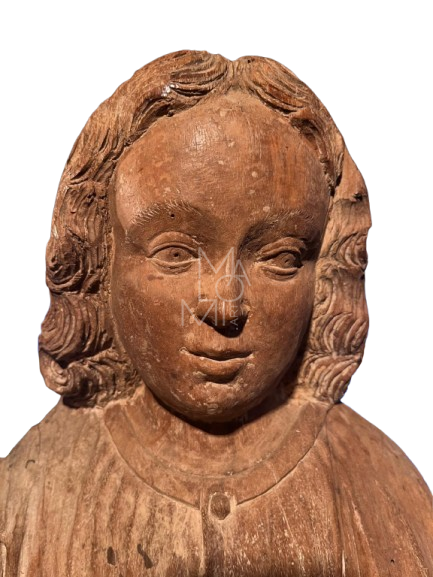
Angels or Cherubs 15th century
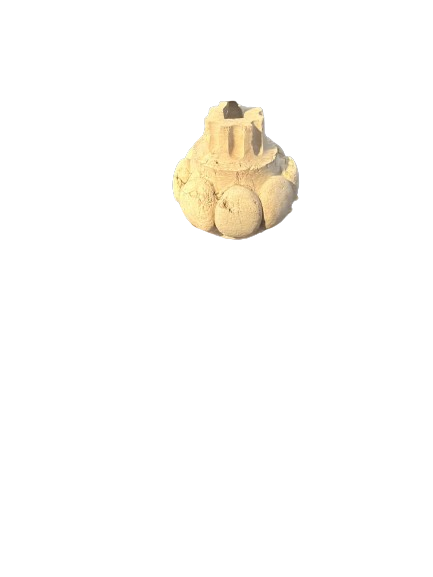
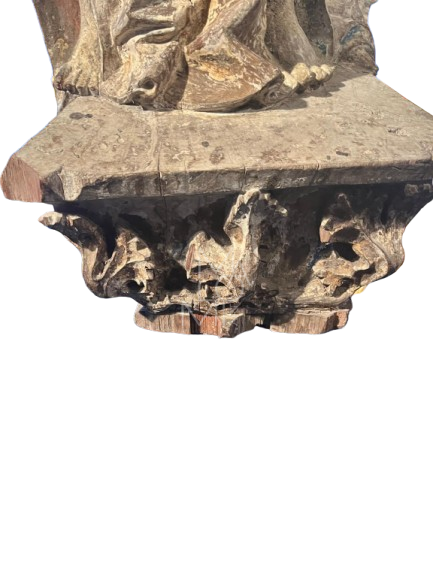
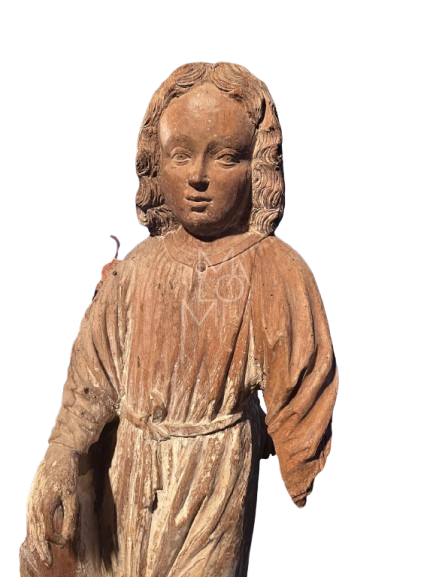
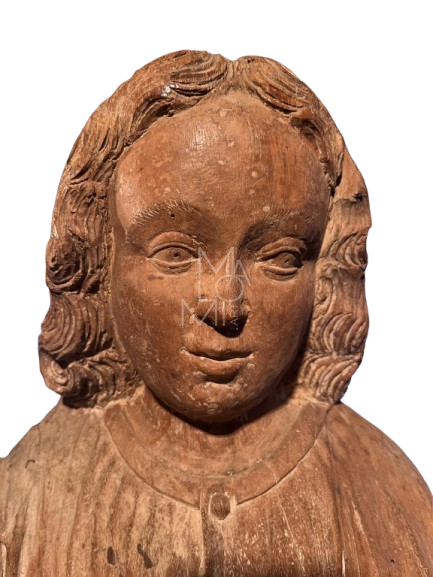
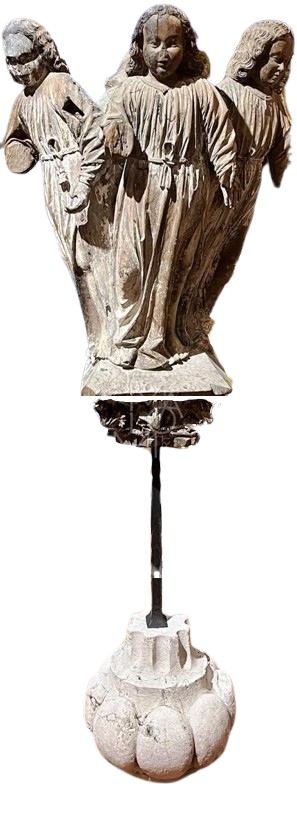
Work A sculpture in the round carved from a single block of walnut, each 110 cm tall, depicting four angels playing musical instruments. The group retains traces of polychromy and shows signs of wear and repairs that attest to its antiquity and long history of display.
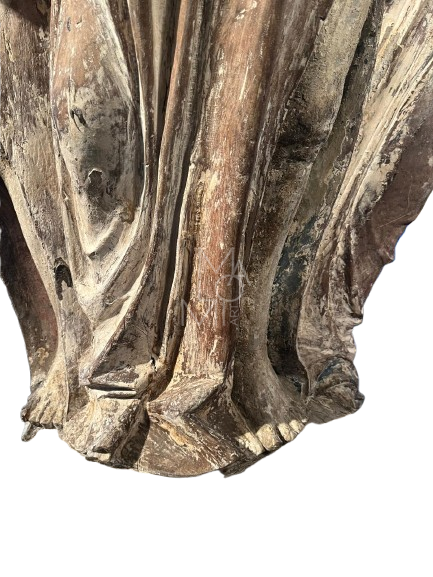
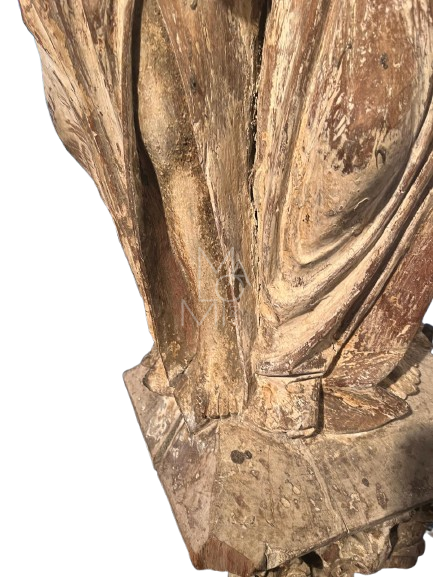
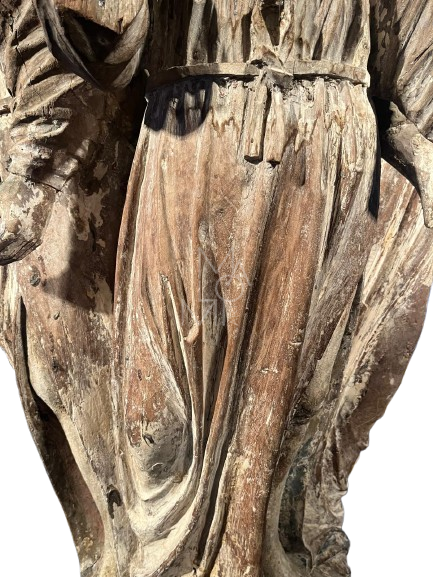
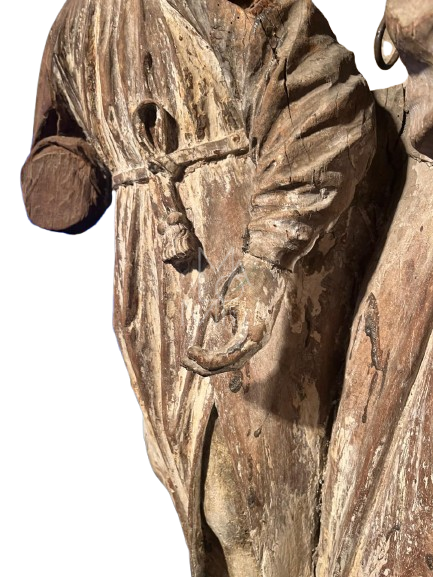
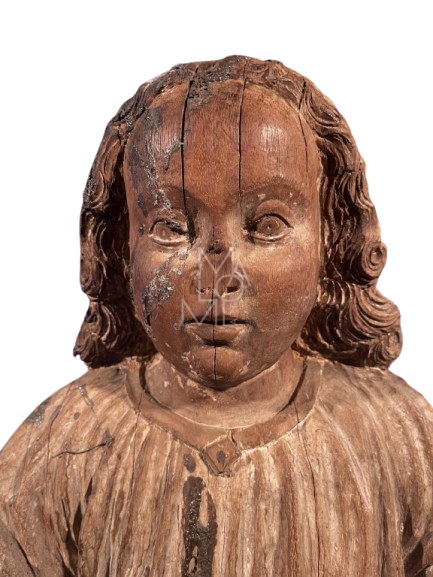
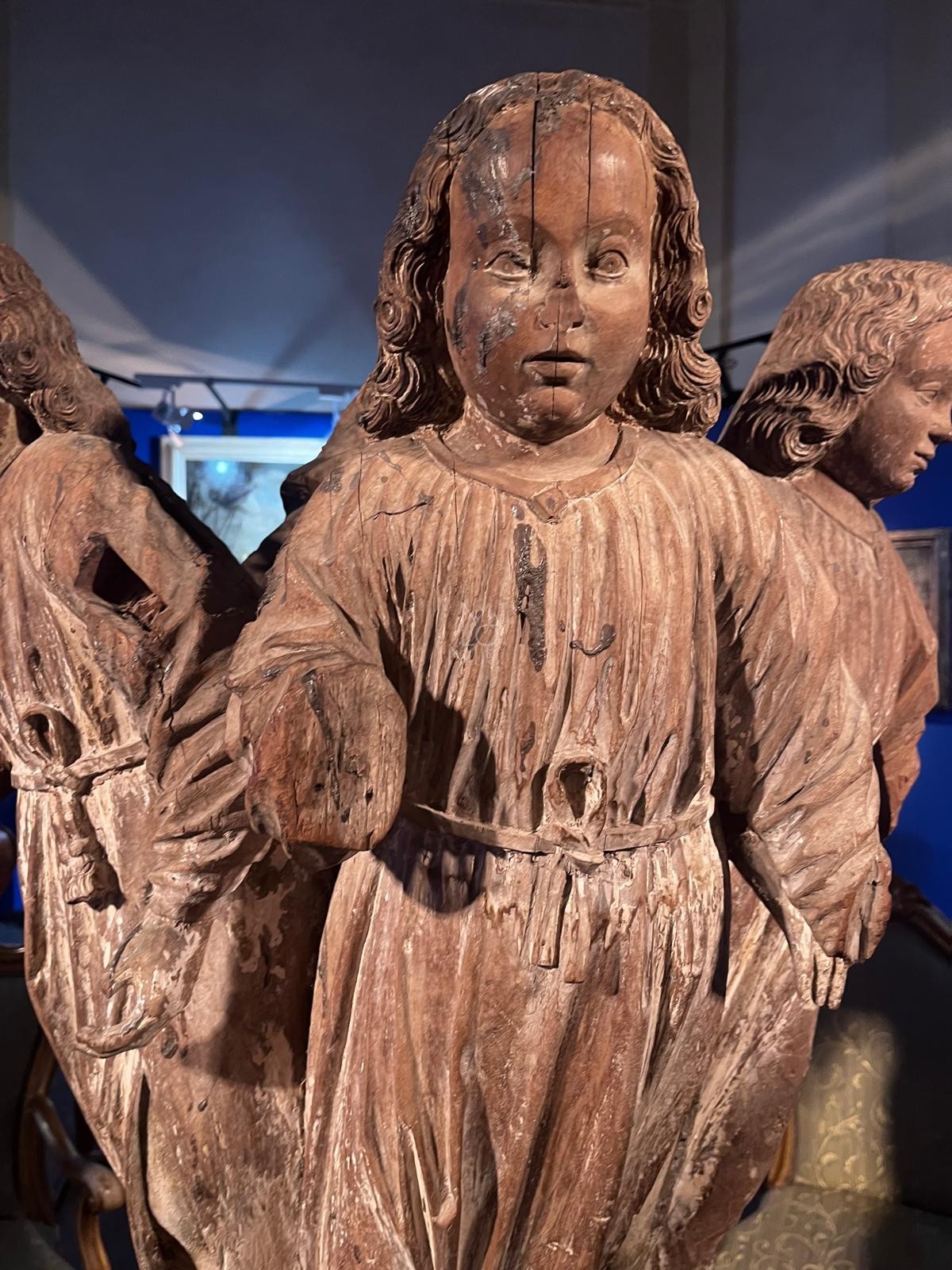
Description of the workThe group consists of four independent figures arranged in visual dialogue, each holding different instruments that evoke the liturgical and devotional musical practices of the late Middle Ages. The robes are sculpted with deep, rhythmic folds; the drapery flows naturally, lending movement to the figures. The faces, still discernible despite the wear and tear, display contemplative and idealised expressions.
Stylistic analysis and iconographyThe style is reminiscent of devotional sculpture from the 15th century in the Lombardy region: elongated proportions, attention to detail in the drapery, and a measured, solemn rendering of the figures’ gestures. The iconography of the angel musicians emphasises the celebratory and symbolic function of music in a sacred context, with possible references to confraternity practices or the liturgical furnishings of churches and oratories.
Techniques and materialsThe work is carved from solid walnut from a single log, a technique that requires great mastery of the wood and ensures formal continuity between the figures. Traces of polychromy, visible in sheltered areas such as folds and recesses, indicate an original colour scheme that accentuated details of the faces, instruments and hems of the garments.
State of preservation and restoration workThe surface shows cracks, abrasions and wooden repairs consistent with its age. The traces of polychromy are fragmentary but significant for the reconstruction of the colour scheme. Any modern restoration work should prioritise the stabilisation of the wood, non-invasive cleaning and the preservation of the colour gaps as historical evidence.
Historical context and attributionAttributed to Brescian cabinetmakers’ workshops active in the 15th century, the work forms part of the Lombard devotional tradition that combines woodcarving with liturgical function. To confirm its attribution and date, a dendrochronological examination of the log and a stratigraphic analysis of the polychrome paintwork are recommended.
Display tipDisplay the artefact in a controlled environment with diffused lighting that highlights the drapery and polychrome traces, accompanied by information panels explaining the technique, historical context and results of the conservation analyses.